
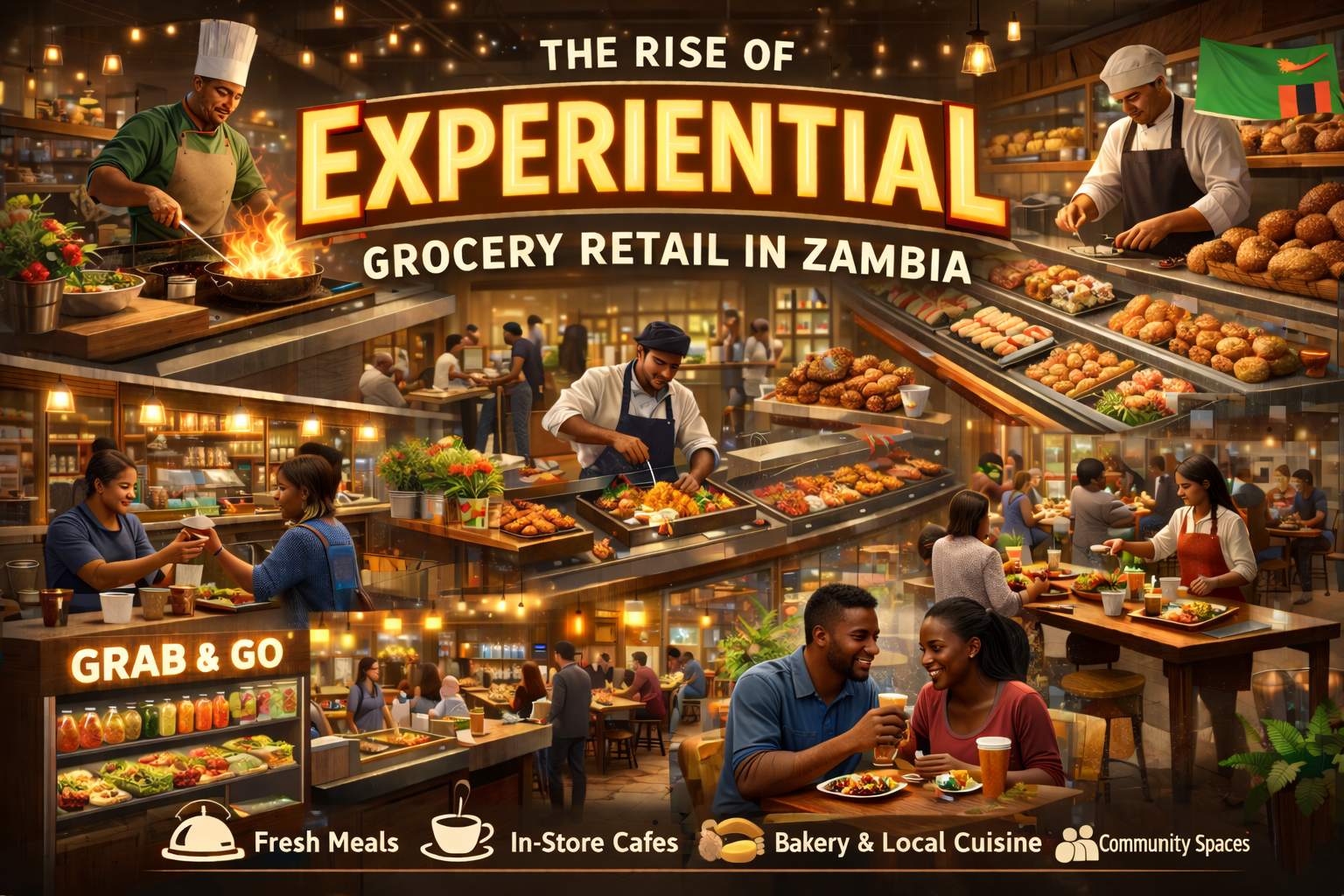
The modern grocery store is no longer just a place to shop — it’s becoming a destination. As consumer expectations evolve, grocers are transforming retail spaces to replicate the restaurant experience, blending convenience with dining-style engagement.
The Rise of Experiential Grocery Retail
Today’s shoppers want more than shelves stocked with products. They want experiences. In response, grocers are introducing:
-
Live cooking stations
-
In-store cafés and juice bars
-
Fresh sushi and ready-to-eat meal counters
-
Artisan bakery sections
These additions create a sensory experience — where customers can see, smell, and taste freshness before purchasing.
Fresh, Ready-to-Eat & On-the-Go
Busy lifestyles have driven demand for prepared meals and grab-and-go options. Grocery retailers are now offering chef-inspired dishes, gourmet salads, hot food counters, and freshly brewed coffee — blurring the line between supermarket and restaurant.
This strategy increases dwell time and encourages impulse purchases while enhancing customer satisfaction.
Open Kitchens & Transparency
Many modern supermarkets are adopting open kitchen layouts, allowing customers to watch food being prepared in real time. This builds trust, highlights quality ingredients, and reinforces freshness — much like a restaurant kitchen.
Community-Centric Spaces
Some grocers are creating seating areas, tasting events, and weekend food demonstrations. By fostering community interaction, stores become lifestyle hubs rather than transactional spaces.
Why This Strategy Works
Replicating the restaurant experience helps grocers:
-
Increase customer engagement
-
Drive higher basket value
-
Differentiate from online competitors
-
Build brand loyalty
In a competitive retail landscape, experience is the new currency.